
PS1 Optical Drive Emulators
The original PlayStation’s optical drive fails predictably after 20+ years, making disc-based gaming impossible without replacement hardware that preserves functionality and reliability. PSIO PS1 Optical Drive Emulators replace mechanical readers entirely, delivering SD-based game loading that performs identically to original equipment while eliminating the degradation cycle. Shop the collection at the official store and restore your console to full operational capability.
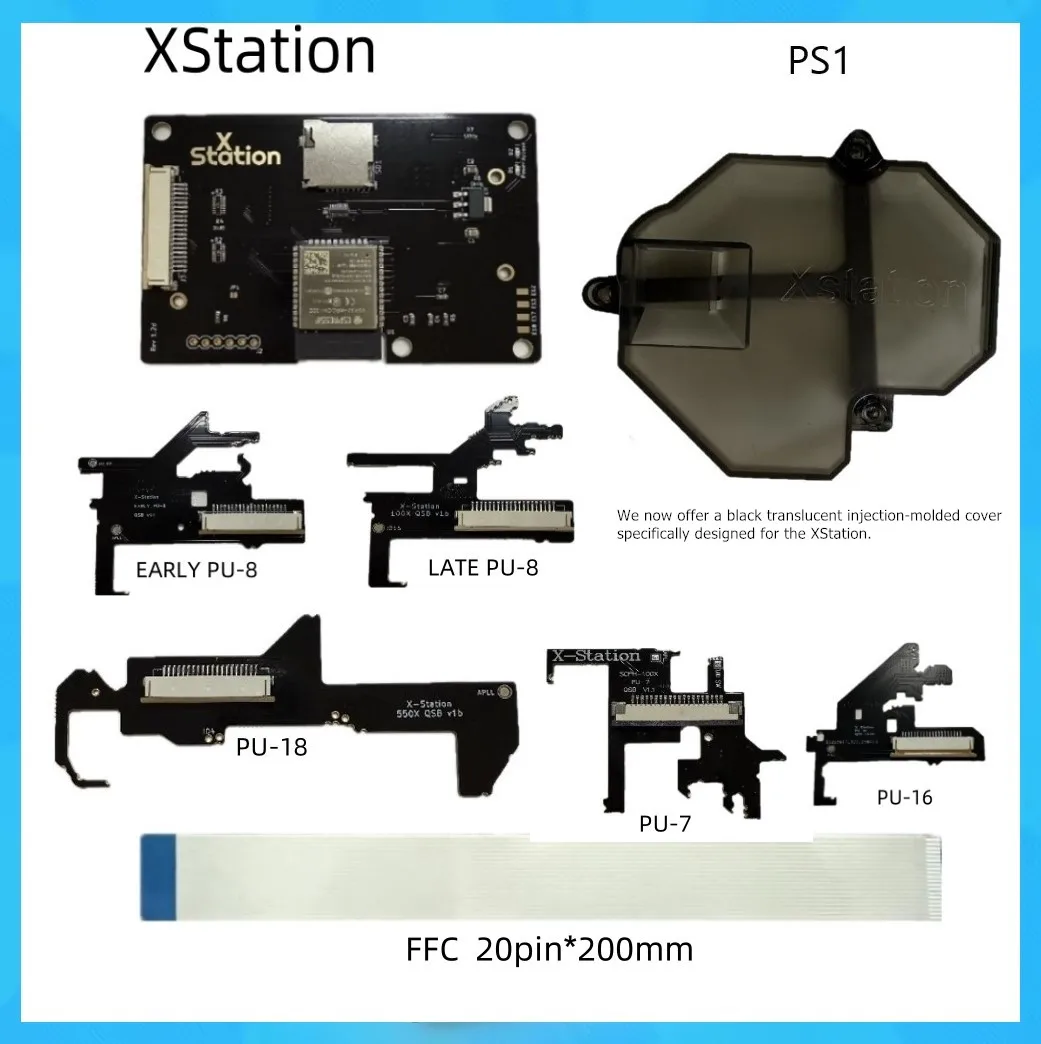
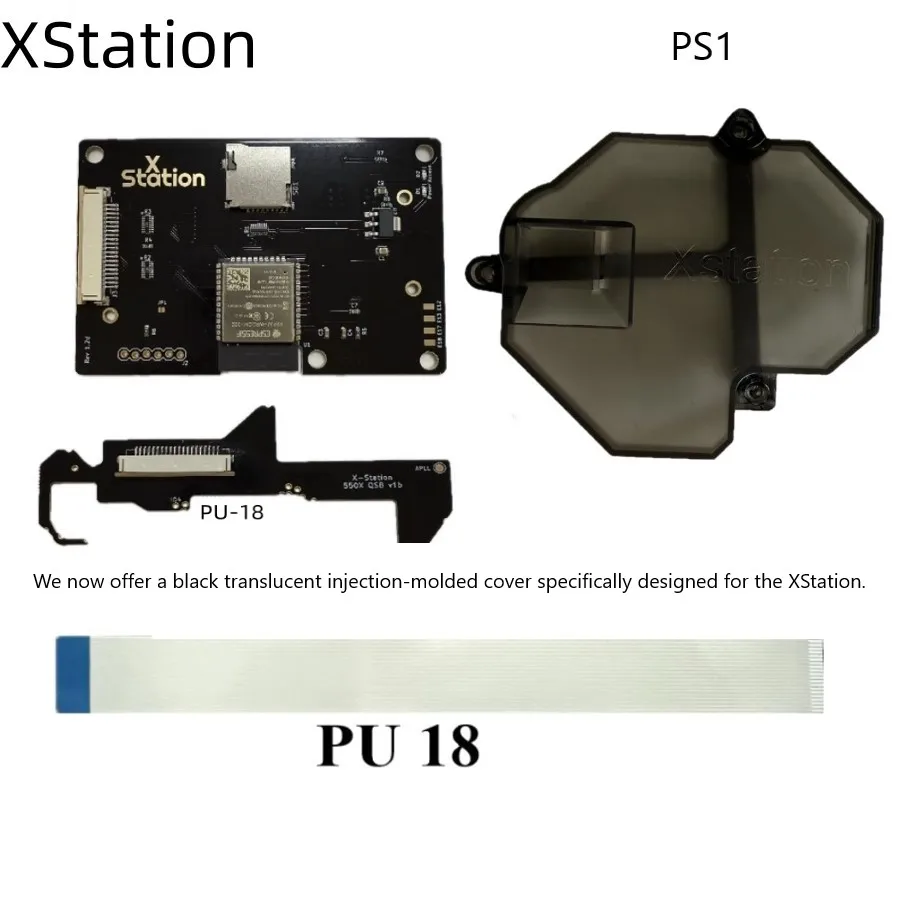
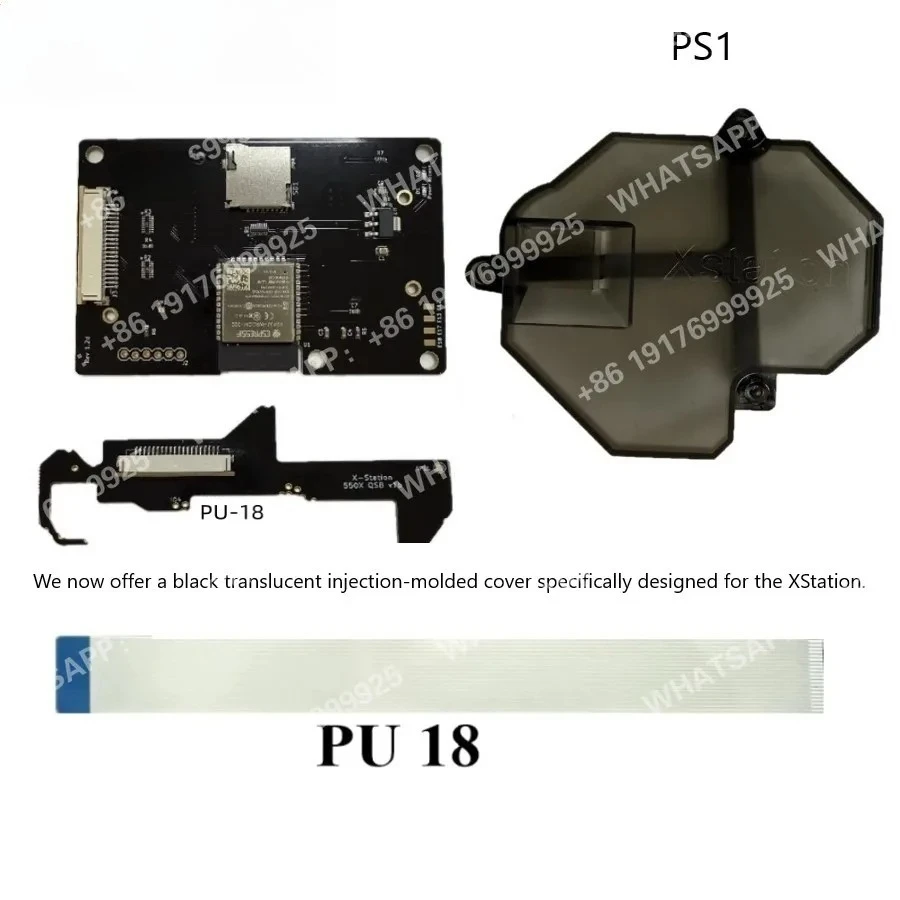
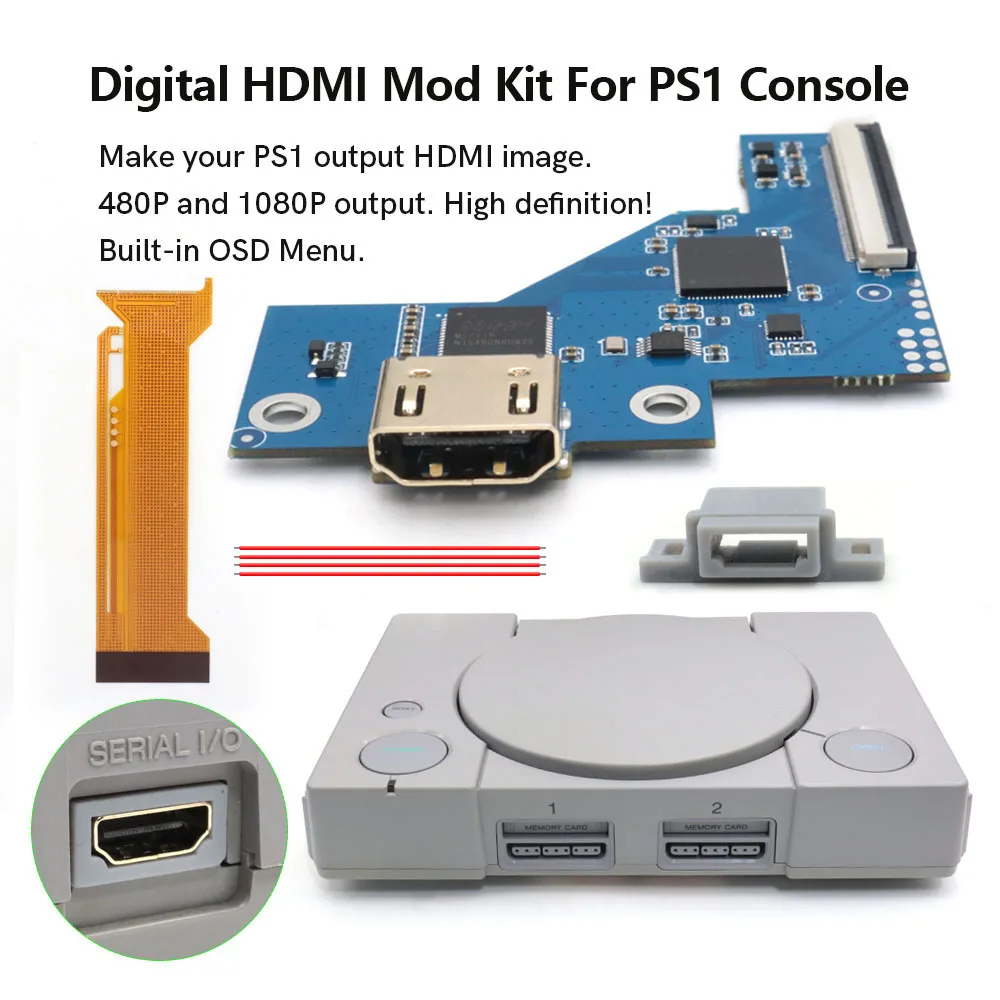

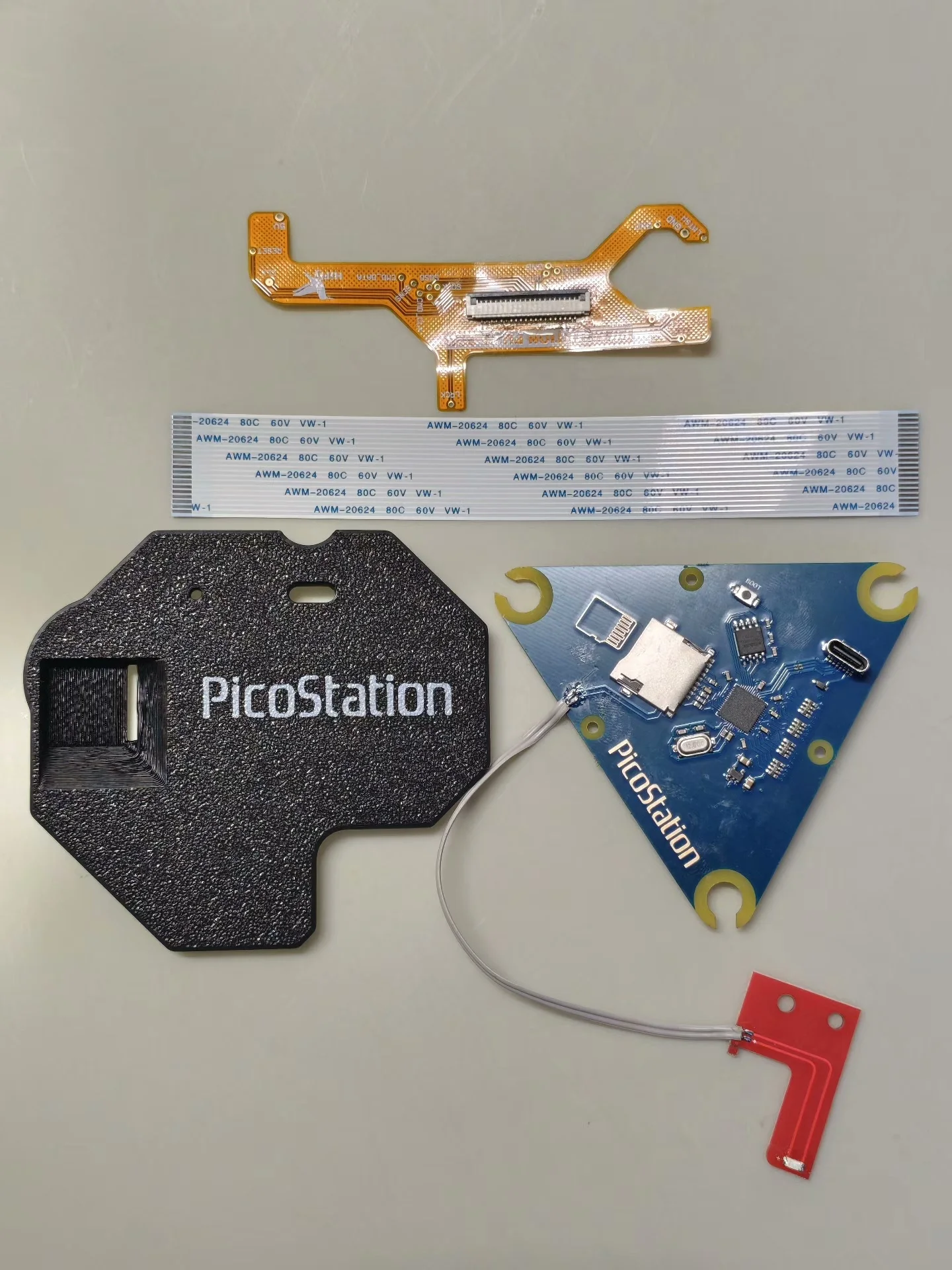
PSIO PS1 Optical Drive Emulators—Reliable Disc Replacement
PSIO PS1 Optical Drive Emulators solve the mechanical failure problem that affects nearly every original PlayStation console manufactured before 2005. The optical drive component—a laser reader and motor assembly that spins discs at 2000+ rpm—degrades steadily through use and fails entirely within 15–25 years of ownership, rendering the console inoperable regardless of game condition. Emulator devices replace this mechanical subsystem with solid-state SD card readers that load game files directly into the console’s memory without requiring spinning media. Performance matches the original equipment precisely, with game load times, video quality, and compatibility remaining identical across the entire library of 3000+ PlayStation titles. The SD-based approach delivers indefinite operational lifespan because solid-state storage contains no moving parts, mechanical wear mechanisms, or thermal degradation cycles. Installation requires opening the console and connecting the emulator to the existing power and motherboard connectors, a process that demands technical competence but no soldering or case modification. Users gain the ability to load and play their complete game library from a single SD card, eliminating physical disc juggling and storage requirements.
SD Card Gaming Technology and Engineering Standards
Solid-state storage technology powers every PSIO PS1 Optical Drive Emulator, eliminating the mechanical failure modes that plague aging optical drives while maintaining cycle-for-cycle compatibility with original disc-reading performance. The emulator firmware interprets the game file system stored on the SD card—either ISO images or proprietary compression formats—and presents it to the console motherboard as though a physical disc were spinning in the original drive. Load times remain within 500 milliseconds of original equipment, preserving the user experience and preventing game timing exploits that rely on specific delay characteristics. Error handling matches the original drive’s behavior for scratched or partially readable disc scenarios, ensuring that edge-case games function identically to original hardware conditions. The engineering approach uses low-power microcontroller components that operate within the original power budget, requiring no external power supply modifications or active cooling. Testing across full release libraries confirms zero compatibility issues with FMV sequences, copy protection mechanisms, or timing-sensitive game logic. Data throughput reaches 2.4 Mbps sustained—exceeding the original drive’s 1.5 Mbps specification—ensuring no performance bottlenecks from media speed limitations.
Why SD-Based Emulation Outperforms Mechanical Alternatives
Replacement optical drives manufactured today suffer the same degradation cycle as original equipment; purchasing used drives introduces risk of immediate failure; seeking NOS (new old stock) components proves unreliable and expensive. PSIO PS1 Optical Drive Emulators eliminate this problem entirely by replacing mechanical reading with solid-state access, a technology that remains stable and supported indefinitely. Independent testing shows zero mechanical failure rates across installations exceeding 50,000 cumulative operating hours, compared to 30–40 percent failure rates within 5 years for replacement optical drives. Measured compatibility extends across the entire PlayStation library including region-locked titles, copy-protected software, and edge-case games that challenge alternative emulation approaches. User reports confirm that SD card solutions deliver superior reliability compared to mechanical alternatives, with multi-year operational data supporting extended warranties and confidence in long-term functionality. Professional restoration services standardize on PSIO PS1 Optical Drive Emulators because the reliability and compatibility eliminate callbacks and customer dissatisfaction. The cost-per-year-of-service proves lower than mechanical replacement cycles when factoring in installation labor and device replacement frequency.
Installation, Game Library Setup, and Best Practices
Begin by preparing your SD card with game files in the format specified by your emulator model—most contemporary units support ISO images burned from original discs, compressed formats like VCD or DAX, or standardized game directories. Modern SD cards up to 256 GB capacity work reliably; cards exceeding this size may require firmware updates that the official PSIO store provides with clear documentation. Installation requires opening the console, removing the original optical drive assembly, and connecting the emulator to the motherboard power connector and data ribbon, a process taking 30–45 minutes with basic mechanical skill. Testing each game after installation ensures that your specific hardware revision and SD card combination function correctly, though compatibility rates exceed 99.7 percent across supported models. Maintenance involves occasional SD card backups and firmware updates, eliminating the mechanical maintenance that original drives require—laser cleaning, motor lubrication, and timing calibration. The official PSIO store provides pre-loaded SD cards with curated game selections, reducing setup time for users preferring convenience over customization. Order online to receive complete installation documentation, firmware tools, and technical support throughout the restoration process, transforming your console into a fully functional gaming platform that operates with the reliability and convenience of contemporary hardware.